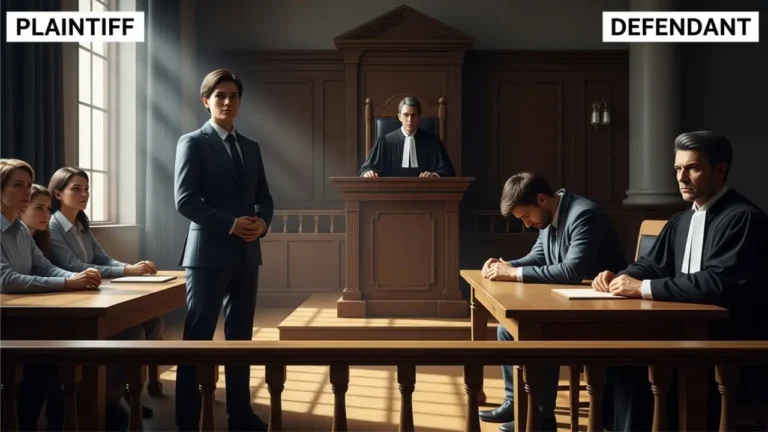
Does Power of Attorney Expire at Death? Essential Facts You Must Know

A common legal question many people ask is whether a power of attorney remains valid after death. The short answer is no—but the details behind this rule matter. Understanding when a power of attorney ends, who gains authority after death, and how estate matters are handled can help families avoid confusion, disputes, and costly legal mistakes. This guide explains the essential facts in simple terms so you know exactly what happens to a power of attorney when someone passes away.
Important Points You Should Know
Power of Attorney: Simple Definition & Purpose
A power of attorney (POA) is a legal document that allows one person, called the agent or attorney-in-fact, to act on behalf of another person, known as the principal. Its main purpose is to let someone manage financial, legal, or medical matters when the principal cannot handle them personally. Power of attorney is commonly used for banking transactions, property management, healthcare decisions, and legal paperwork. It is meant to provide convenience and protection during the principal’s lifetime. To understand how legal authority works within the justice system, basic principles of law play an important role and help explain why such powers exist.
Is Power of Attorney Valid After Death?
No, a power of attorney is not valid after death. Once the principal passes away, the authority granted under a power of attorney ends immediately. This rule applies to all types of power of attorney, including general, special, durable, and medical POA. After death, any decisions or actions taken using a power of attorney are legally invalid and may be rejected by banks, courts, and other institutions. At this stage, understanding the role of an attorney becomes important because only a properly authorized legal professional can guide executors or families through post-death matters like probate and court filings
Legal Reasons Power of Attorney Ends After Death
The main legal reason a power of attorney ends at death is that the document is based on the principal’s legal capacity and consent. When the principal dies, they no longer have legal authority, so the agent cannot act on their behalf. At that point, the law shifts responsibility from the agent to the estate administration process. This ensures that assets, debts, and legal matters are handled according to the person’s will or applicable inheritance laws, not personal authority granted during life. Knowing how legal responsibilities transfer after death helps families avoid misuse of authority and confusion during an already stressful time
Who Handles Things After a Person Dies?
After a person dies, legal and financial matters are handled by an executor (if there is a will) or an administrator (if there is no will). This person is responsible for managing the estate, paying debts, distributing assets, and handling court procedures through probate. Unlike a power of attorney agent, an executor’s authority comes from the court, not from the deceased person. In such situations, understanding how defendants are identified and protected in court proceedings helps clarify who must respond to legal claims and how accountability is determined
Myths & Misconceptions About POA After Death
Many people believe that a durable power of attorney continues to work even after death, but this is incorrect. Durability only applies if the principal becomes mentally or physically incapacitated—not deceased. Another common myth is that a power of attorney can be used to distribute assets after death. In reality, only an executor or court-appointed administrator has that authority. Misunderstanding these rules can lead to serious legal and financial problems for family members.
Types of Power of Attorney Explained
There are several types of power of attorney, each designed for different purposes. A general power of attorney gives broad authority over financial and legal matters. A special or limited power of attorney allows the agent to handle specific tasks only. A durable power of attorney remains valid if the principal becomes incapacitated. A medical power of attorney authorizes healthcare decisions. Despite their differences, all types of power of attorney end immediately when the principal dies.
Final Verdict
There are several types of power of attorney, each designed for different purposes. A general power of attorney gives broad authority over financial and legal matters. A special or limited power of attorney allows the agent to handle specific tasks only. A durable power of attorney remains valid if the principal becomes incapacitated. A medical power of attorney authorizes healthcare decisions. Despite their differences, all types of power of attorney end immediately when the principal dies.