
What Is the Basic Principle of Law? A Simple Explanation
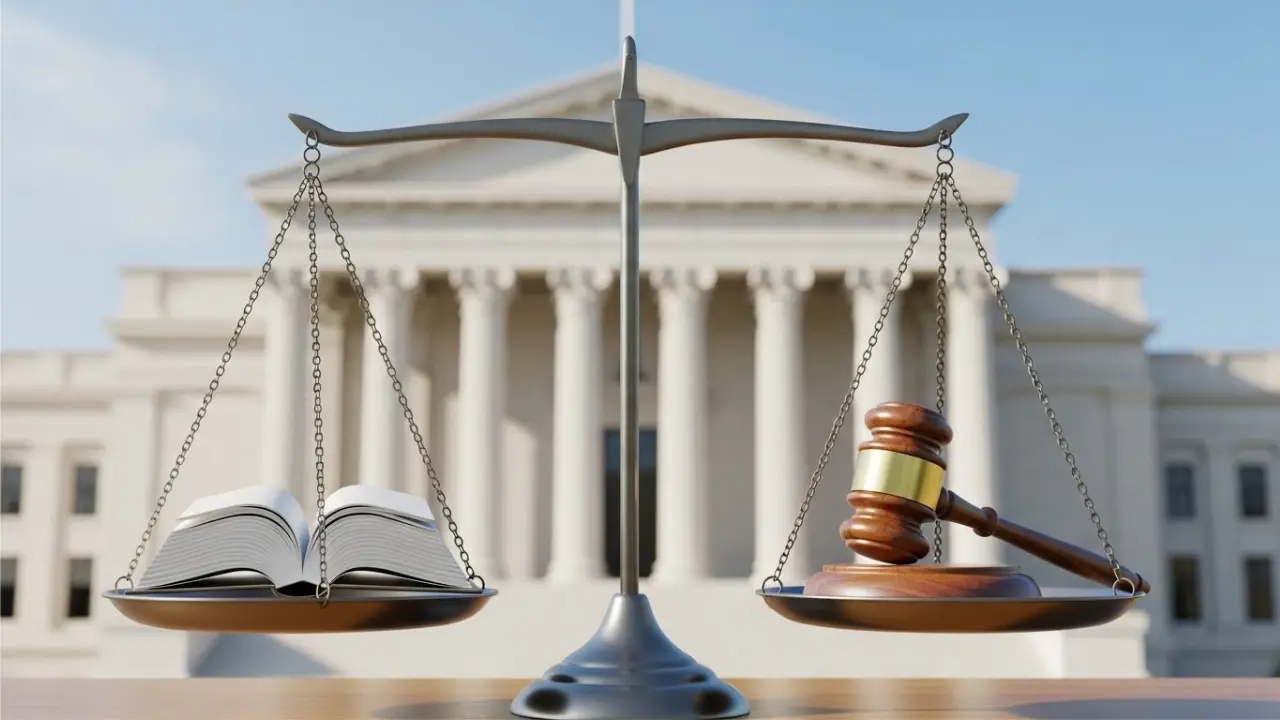
The basic principle of law is the idea that everyone is equal under the law, no matter who they are. Laws are made to keep people safe, protect their rights, and guide how society works. These foundational ideas are part of the broader learning goal explained on legal advice basics for beginners.
Laws exist to give clear rules, stop unfair actions, and help solve conflicts. Without laws, there would be confusion and disorder.
Key Takeaways
What Is the Basic Principle of Law?
The basic principle of law is the foundation that guides how justice works. It helps make sure that rules stay fair, clear, and the same for everyone. To fully understand how these ideas work in practice, it also helps to know who applies the law and how legal authority functions.
Simple Definition of the Basic Principle of Law
The basic principle of law means that every person must follow the same rules, no matter who they are. It also means the law should be fair, clear, and protect everyone’s rights. This idea helps keep order, so people can live safely and peacefully.
Why Societies Create Legal Principles?
Societies create legal principles to make sure people treat each other fairly. Without laws, there would be confusion and conflict. These principles help protect people from harm, guide behavior, and make sure the government also follows rules. They keep communities strong and safe.
How the Basic Principle Guides the Entire Legal System
The basic principle of law shapes how courts, judges, and lawyers make decisions. It makes sure that everyone gets a fair chance, rules are applied the same way to all, and justice is not based on power or status. This principle keeps the whole legal system balanced and trustworthy.
Why Legal Principles Matter?
Legal principles play a crucial role in keeping society fair, safe, and organized. They guide how laws are created, how decisions are made, and how people are treated. Without clear legal principles, the justice system would become unfair, unpredictable, and confusing.
Ensuring Fairness and Justice
Legal principles help ensure fairness and justice for everyone. They set clear rules so judges, lawyers, and government officials make decisions without bias. This keeps the justice system consistent, predictable, and based on facts — not personal opinions.
Protecting Individual Rights
These principles protect important individual rights, such as freedom, privacy, and personal safety. They make sure no one — including the government — can take away these rights without a valid legal basis. People can clearly understand what protections they have and how to defend them.
Maintaining Order in Society
Legal principles help maintain order by defining what behavior is acceptable and what is not. When conflicts happen, the legal system relies on these principles to resolve disputes peacefully. This reduces crime, builds trust, and helps communities feel more secure.
Core Principles Found in Most Legal Systems
Most legal systems around the world are built on a few essential core legal principles. These principles keep the system fair, predictable, and trustworthy. One important aspect is understanding how legal responsibility is assigned in lawsuits, which directly connects to fairness and accountability.
Rule of Law
The rule of law means that everyone must follow the law, including citizens, leaders, and government officials. No one gets special treatment or immunity. This principle prevents abuse of power and keeps society stable and fair.
Equality Before the Law
Equality before the law means all people are treated the same in the legal system. Factors like wealth, job, race, or background should not affect legal outcomes. This principle ensures fairness and helps build trust in the justice process.
Presumption of Innocence
The presumption of innocence means a person is considered innocent until proven guilty. The government must provide solid evidence before someone can be punished. This protects people from unfair treatment and wrongful convictions.
Due Process of Law
Due process of law guarantees that legal procedures are followed properly. People must get a fair chance to speak, defend themselves, have a lawyer, and know the charges against them. This principle helps prevent unfair or rushed decisions.
Accountability and Transparency
Accountability and transparency ensure that government officials, police, and public institutions are held responsible for their actions. Laws and decisions must be clear, open, and easy for the public to understand. This builds confidence in the legal system and prevents corruption.
How the Basic Principle of Law Works in Real Life?
The basic principle of law becomes real when it is used in everyday decisions. It guides judges, lawyers, police, and even regular people. These principles help make sure the system stays fair, clear, and consistent.
How Courts Apply Legal Principles
Courts use legal principles to decide what is fair in each case. Judges look at the facts, compare them with the law, and follow the rule of law to make a final decision. This helps keep the justice system predictable so people know what to expect.
How Laws are Interpreted Using Constitutional Values
Many laws are explained by looking at constitutional values like freedom, fairness, and equal rights. When a law is unclear, courts use these big ideas to understand what the law really means and how it should be applied.
Examples of Legal Principles Used in Everyday Cases
Legal principles show up in simple situations all the time. For example, the idea of innocent until proven guilty protects people accused of crimes. The principle of equality before the law ensures that everyone is treated the same, no matter who they are. Even traffic rules show how legal principles help keep order and safety.
Basic Principle of Law in Criminal vs. Civil Cases
The basic principle of law works differently in criminal cases and civil cases, but the goal is always the same: fairness, clarity, and justice. Each type of case uses legal principles in its own way to protect people and help resolve problems.
How Legal Principles Protect Defendants in Criminal Cases
In criminal cases, legal principles help protect people who are accused of a crime. The biggest protection is presumption of innocence, which means a person is innocent until proven guilty. The court must follow due process, which includes giving the defendant a fair trial, a lawyer, and a chance to defend themselves.
How Legal Principles Guide Disputes in Civil Cases
In civil cases, legal principles focus on solving conflicts between people, like money issues, property disagreements, or broken contracts. Courts use evidence, fairness, and equal treatment to decide who is right. The goal is not to punish but to make things right — often by ordering payment or another fair solution.
Common Misunderstandings About Legal Principles
Many people get confused about how legal principles work. These misunderstandings often come from movies, TV shows, or myths about the legal system. Understanding the truth helps people see how the law protects fairness and justice.
“Principles” vs. “Laws” — What’s the Difference?
Many people think legal principles and laws are the same, but they are not. Laws are written rules that everyone must follow. Legal principles are the big ideas behind those rules — like fairness, equality, and justice. Laws can change over time, but legal principles stay the same and guide how the law is used.
Why Legal Principles don’t Change in Every Case
Some people believe courts should change legal principles for each situation, but that would make the system unfair. Legal principles stay consistent so everyone gets equal treatment. They help judges make decisions based on the same standards, not personal opinions.
Myths People Believe about Fairness and Justice
A common myth is that the legal system always picks a “side” based on who seems nicer or richer. In reality, courts use evidence, facts, and legal principles to stay fair. Another myth is that justice is always quick, but real cases take time because the system must protect everyone’s rights.
How Different Legal Systems Apply Basic Principles?
Different countries have different kinds of legal systems, but most of them still follow the same basic legal principles like fairness, justice, and equal treatment. Each system uses these principles in its own way, but the core ideas stay strong across the world.
Common Law vs. Civil Law Principles
In common law systems (like the United States and the United Kingdom), judges use past court decisions to guide new cases. This means legal principles grow through experience.
In civil law systems (like France or Germany), most rules come from written codes. Here, legal principles are built into the laws themselves, and judges follow the written rules more closely.
Constitutional Principles in Democratic Countries
Most democratic nations have a constitution that sets out the highest legal principles—like freedom, equal rights, and due process. These principles are not just theoretical ideas; they are widely recognized international standards. For example, the concept of rule of law principles is formally explained by the United Nations.
Global Variations in Core Legal Doctrines
While many countries share similar ideas, each one has its own version of key legal doctrines. For example, some countries focus more on human rights, while others focus more on public safety or religious law. Even with these differences, almost all systems try to follow the basic goals of fairness, justice, and order.
Why the Basic Principle of Law Keeps Evolving?
The basic principle of law is built on fairness and justice, but society is always changing. As new problems appear, the law must adjust to stay fair. This is why legal principles continue to grow, expand, and evolve over time.
Social Changes that Reshape Legal Principles
When society changes, the law has to keep up. New ideas about equality, human rights, and public safety can reshape how legal principles work. For example, changes in family life, workplace rights, or discrimination laws often lead to updated rules that better protect people today.
Technology’s Impact on Fairness and Justice
New technology creates problems that old laws never expected. Issues like privacy, cyber crime, and online safety force the legal system to rethink how to apply fairness and justice. Courts and lawmakers often update legal principles so they fit modern digital life.
How Courts Update Principles Through Modern Judgements
Courts play a major role in keeping the basic principle of law fresh. When judges make decisions in new or unusual cases, they often explain how old legal principles apply today. These modern judgments help the law grow in a fair and consistent way.
So, What’s the Bottom Line?
At the end of the day, the basic principle of law is all about keeping society fair, safe, and balanced. When you understand this simple idea, it becomes easier to see why laws exist and how they protect everyone.
Core Idea to Remember
The core idea is that every person should be treated with fairness, equality, and respect under the law. These legal principles guide courts, lawmakers, and judges to make decisions that protect people’s rights.
Why Understanding Legal Principles Helps Everyone
When you understand legal principles, you know what your rights are, what the law expects, and how justice works. This knowledge helps you make better choices, stay safe, and stand up for yourself if something goes wrong.